ArtSoie | By ArtLoft Editorial |
How Is an Original Artwork Translated to ArtSoie Silk?
Translation to silk changes scale, color behavior, edge, drape and viewing distance while preserving authorship. A collector-led guide grounded in material, evidence and lived experience.
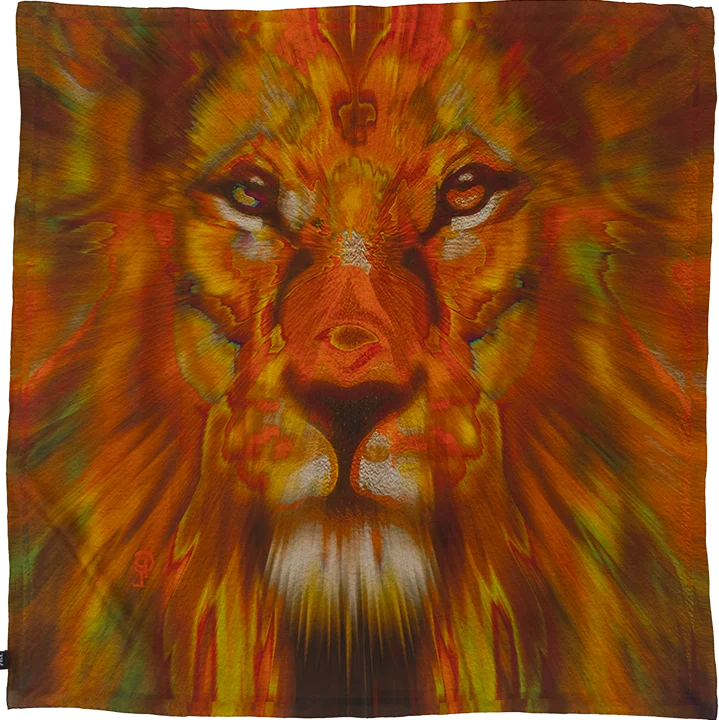
The source record comes first
The production file should identify the original artwork, artist, date, dimensions and approved reproduction source. A casual photograph is not enough when color and fine detail matter. The artist should know which source file is being used.
Scale changes the image
Moving an artwork to a square silk format may require a crop or a new relationship between image and border. Small marks can disappear. Large passages can feel more dominant. Those decisions belong to the translation process and should not be hidden as technical cleanup.
Silk changes how color is perceived
Color on a monitor, proof paper and finished silk will not look identical. The team should review samples under controlled and ordinary light, then decide which version stays closest to the artist's intention when the material moves.
A proof creates an approval point
The artist or authorized reviewer should examine composition, color, detail, finish and edge treatment before the edition proceeds. Corrections and the final approval date belong in the production record.
Edition language should name the transformation
The certificate should identify the work as an ArtSoie edition and distinguish the original artwork from its silk translation. Clear language protects authorship while acknowledging that material and scale create a different encounter.
Sources and editorial notes
ArtLoft product, artist, edition and installation records, reviewed July 2026
ArtLoft Public Claim Registry, reviewed July 2026
Canadian Conservation Institute: Basic care of textiles Open source
Canadian Conservation Institute: Textiles and the Environment Open source
Reviewed by ArtLoft Editorial. Materially updated 2026-07-12. Read the editorial policy.