Silk Scarf Collectors | By ArtLoft Editorial |
Can a Displayed Hermès Scarf Still Be Worn?
The answer depends on condition, mounting method, exposure, handling and whether the collector is willing to maintain a real rotation routine.
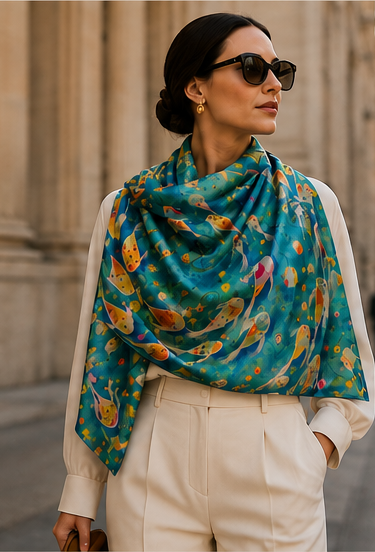
Display and wear can coexist, but handling becomes part of collecting
A displayed Hermès scarf may still be worn if its condition, mounting method and exposure history allow it. The display must release without adhesive or improvised fasteners, and the collector should inspect the scarf each time it moves between wall and wardrobe. No system can erase the effects of light, handling, cosmetics or wear.
Build a release ritual
Clear a clean surface before removal. Follow the documented sequence rather than pulling from one corner. Inspect edges and contact areas, then place the scarf in an appropriate enclosure before dressing. After wear, follow the maker's care guidance and allow any professional cleaning decision to be made for the actual textile.
Keep wall exposure in the condition record
Note display dates, room location and any visible change. Direct sun and high-intensity light can make a scarf less suitable for continued display even when it still looks acceptable from a distance. Rotation can reduce continuous exposure, but it does not reverse earlier change.
Veatro's role
Veatro can support a display-and-release routine when ArtLoft has reviewed the actual scarf and confirmed compatibility with the current system. The demonstration should show contact points, removal and return. If the scarf has weak areas, unusual decoration or uncertain condition, seek specialist advice before mounting.
ArtSoie changes the meaning of the ritual
ArtSoie begins as an artist-authored silk edition rather than a fashion accessory. When paired with its specified Veatro, it becomes complete Kinetic Silk. Release and possible wear are therefore part of an artwork's intended life, subject to its edition documentation. A Hermès scarf displayed through Veatro remains a Hermès scarf in a third-party system.
Follow the maker's current care guidance
Hermès currently advises owners not to wash its scarves themselves and to use a professional cleaner who can protect the hand-rolled edges. The company also warns that rain can damage printed silk. Those instructions apply whether the scarf has been stored in its box, worn or displayed.
Wall display adds a separate history of light, dust and contact. A scarf that still looks wearable from across a room may show a weakened corner or surface change during close inspection. Condition, not enthusiasm, should decide whether it returns to the body.
Decide the rotation before mounting
Set a review date and record the scarf's condition at installation. At the review, compare the same corners, edges and folds under similar light. If the scarf will be worn, record that transition too. A simple log makes it easier to notice change and explain the scarf's history later.
Rotation is useful because it limits continuous display and returns other scarves to view. It is not a reset button. Earlier light exposure and handling remain part of the object.
ArtLoft and Veatro are independent of Hermès and are not sponsored, endorsed or affiliated with Hermès. Review the actual scarf, its care guidance and its condition before confirming compatibility.
Sources and editorial notes
ArtLoft compatibility and installation records, reviewed July 2026
ArtLoft Public Claim Registry, reviewed July 2026
Hermès: Products, care and repair FAQ Open source
Hermès: Scarf display system Open source
Canadian Conservation Institute: Caring for textiles and costumes Open source
Reviewed by ArtLoft Editorial. Materially updated 2026-07-13. Read the editorial policy.