ArtSoie | By ArtLoft Editorial |
How Do Numbered ArtSoie Editions Work?
A number locates one object within an edition but does not replace condition, documentation or artist context. A collector-led guide grounded in material, evidence and lived experience.
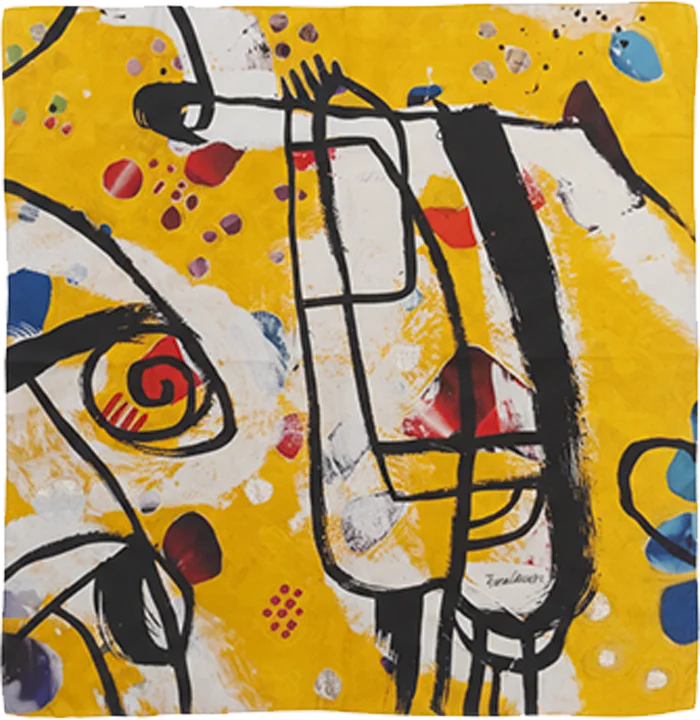
Read the fraction plainly
In an edition marked 3/20, the first number identifies the individual edition and the second states the declared edition size. It does not mean the third piece is visually superior to the nineteenth.
Match every record
The silk, certificate, invoice and gallery ledger should agree. Photograph the number and keep the image with the acquisition file. A mismatch should be resolved before ownership changes.
Ask about proofs and variants
Artist proofs, printer proofs, color variants or replacement policies can affect the total number of related objects. The edition statement should disclose which categories exist and how they are marked.
Ask whether the edition was released all at once or in stages, and whether unsold numbers remain under gallery control. A clear answer helps the collector understand supply without pretending to predict future demand.
Numbering supports identity, not a return promise
Scarcity can help describe supply. It cannot guarantee demand, liquidity or appreciation. The work still needs artistic, material and documentary strength.
Preserve the edition mark
Do not add labels, adhesive or writing near the silk's number. If a mark becomes hard to read, document its condition and consult ArtLoft before attempting any intervention.
Sources and editorial notes
ArtLoft product, artist, edition and installation records, reviewed July 2026
ArtLoft Public Claim Registry, reviewed July 2026
Canadian Conservation Institute: Basic care of textiles Open source
Canadian Conservation Institute: Textiles and the Environment Open source
Reviewed by ArtLoft Editorial. Materially updated 2026-07-12. Read the editorial policy.