Sustainable Luxury | By ArtLoft Editorial |
Why Does Material Transparency Matter in Art?
Material transparency helps collectors care for a work, understand its meaning and ask better questions about longevity. A collector-led guide grounded in material, evidence and lived exper…
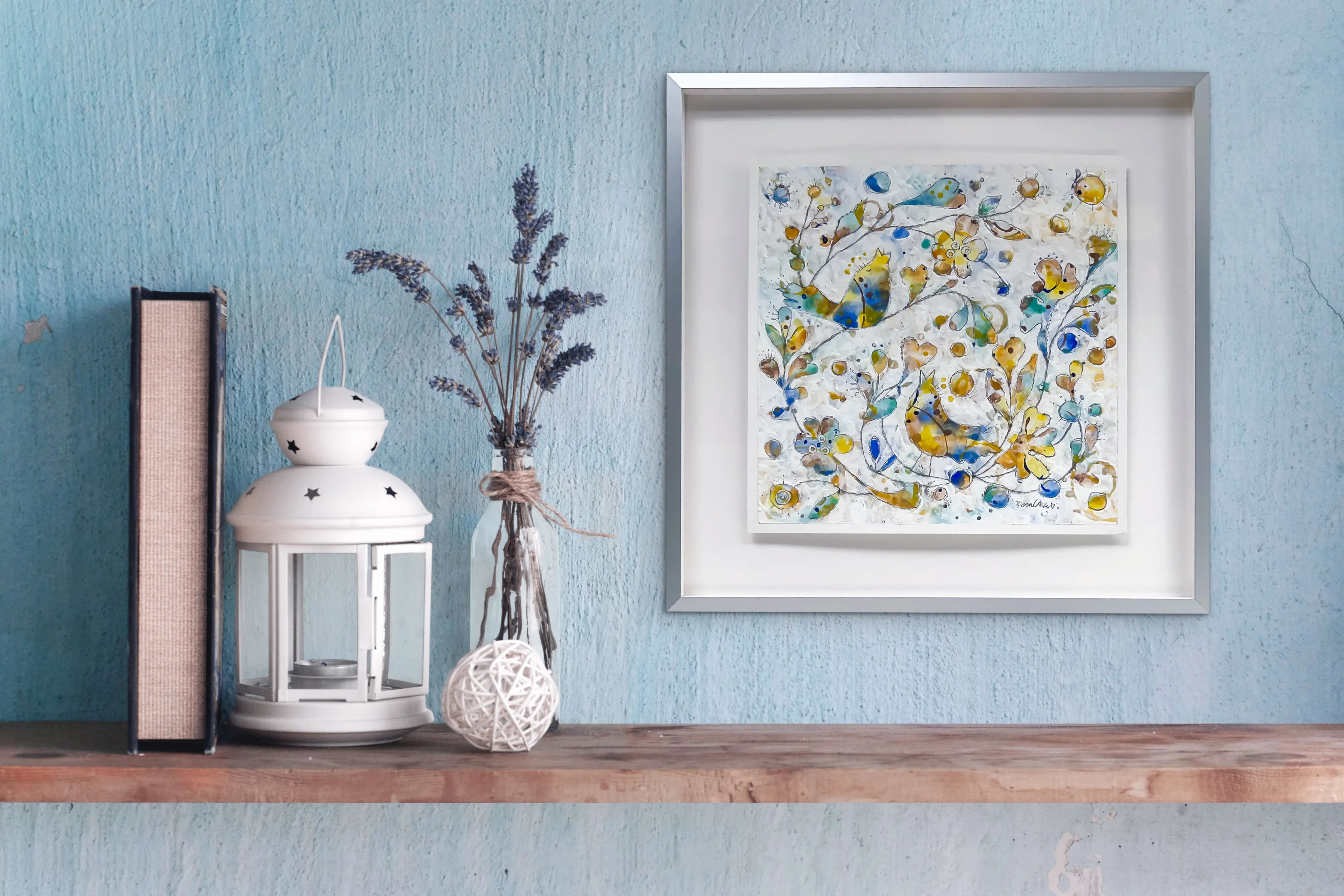
Materials affect behavior
Silk reacts differently from canvas. Stainless steel has different service needs from painted timber. Knowing the component helps a keeper recognize ordinary behavior and unusual change.
Records make care transferable
The artist may understand the object instinctively. A future installer, insurer or conservator needs a written account. Names, dates and photographs keep that knowledge from vanishing.
Transparency has limits
A public material statement need not expose protected fabrication detail. It should reveal enough to support safe ownership and truthful claims.
Replacement needs rules
If hardware, packaging or a display component can be replaced, document who authorizes it and whether the change affects edition identity.
Technical clarity can protect mystery
Knowing how to care for an artwork does not explain away its meaning. It prevents avoidable confusion from becoming damage.
Sources and editorial notes
ArtLoft product, artist, edition and installation records, reviewed July 2026
ArtLoft Public Claim Registry, reviewed July 2026
Canadian Conservation Institute: Basic care of textiles Open source
Canadian Conservation Institute: Textiles and the Environment Open source
Canadian Conservation Institute: Caring for metal objects Open source
Reviewed by ArtLoft Editorial. Materially updated 2026-07-12. Read the editorial policy.