Collecting | By ArtLoft Editorial |
How Do You Evaluate a Limited-Edition Silk Artwork?
Limited-edition silk art needs the same scrutiny given to other editions plus additional attention to textile condition. A collector-led guide grounded in material, evidence and lived exper…
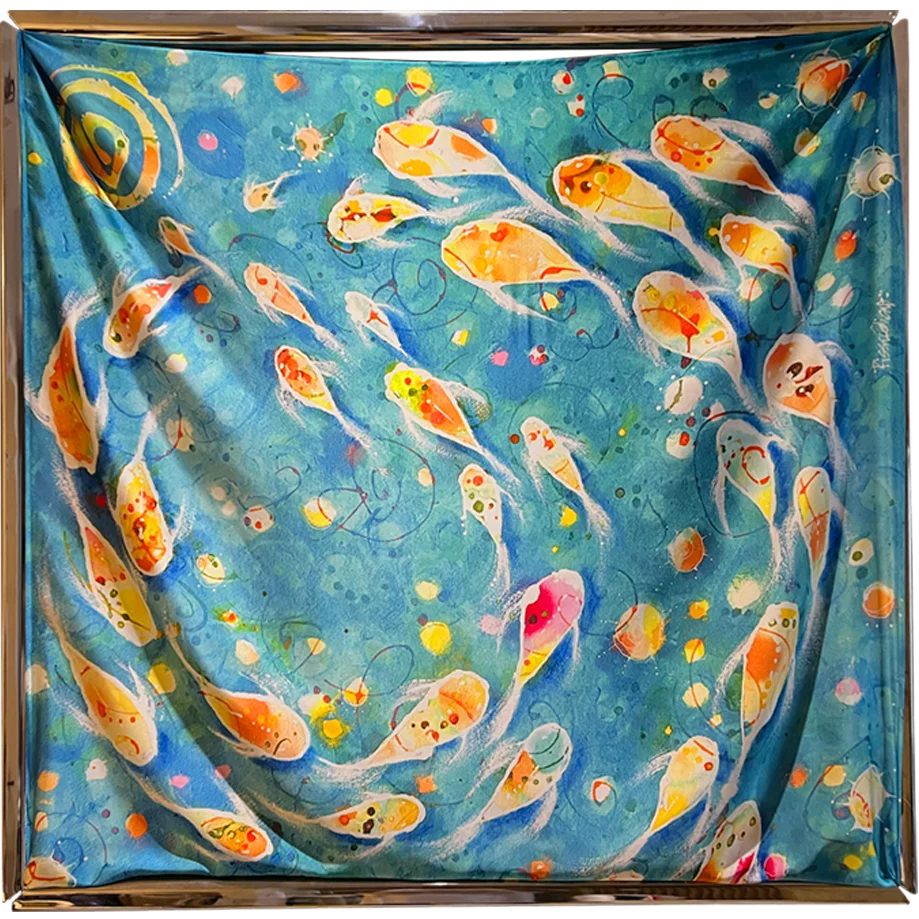
Begin with the artwork
An edition does not become strong because the denominator is small. Look at the image, the artist's wider practice and the reason silk was chosen. The material should contribute to the work rather than act as a luxury label pasted over it.
Inspect the object in even light
Check the front, back, edges, finish and any hand-worked detail. Note pulls, stains, persistent folds or uneven areas. View the silk flat and, when appropriate, in its intended display.
Read the edition statement
Confirm edition size, individual number, artist proofs, color variants and replacement policy. Match the mark to the certificate, invoice and gallery record. Ask who approved the translation to silk.
Understand the life of the work
Review display, release, wear and storage guidance for the specific edition. A collector who wants frequent access needs a different routine from one planning a long static display.
Separate collecting judgment from speculation
Edition structure can document supply. It cannot promise demand, liquidity or returns. Buy because the artist, object and experience justify the acquisition within your collection and budget.
Sources and editorial notes
ArtLoft product, artist, edition and installation records, reviewed July 2026
ArtLoft Public Claim Registry, reviewed July 2026
J. Paul Getty Museum: Research on Museum Collection Provenance Open source
International Council of Museums: Code of Ethics Open source
Canadian Conservation Institute: Basic care of textiles Open source
Reviewed by ArtLoft Editorial. Materially updated 2026-07-12. Read the editorial policy.