Collecting | By ArtLoft Editorial |
Original Artwork vs Limited Edition: What Does a Collector Own?
Originals and limited editions carry different forms of singularity, access, documentation and material translation. A collector-led guide grounded in material, evidence and lived experienc…
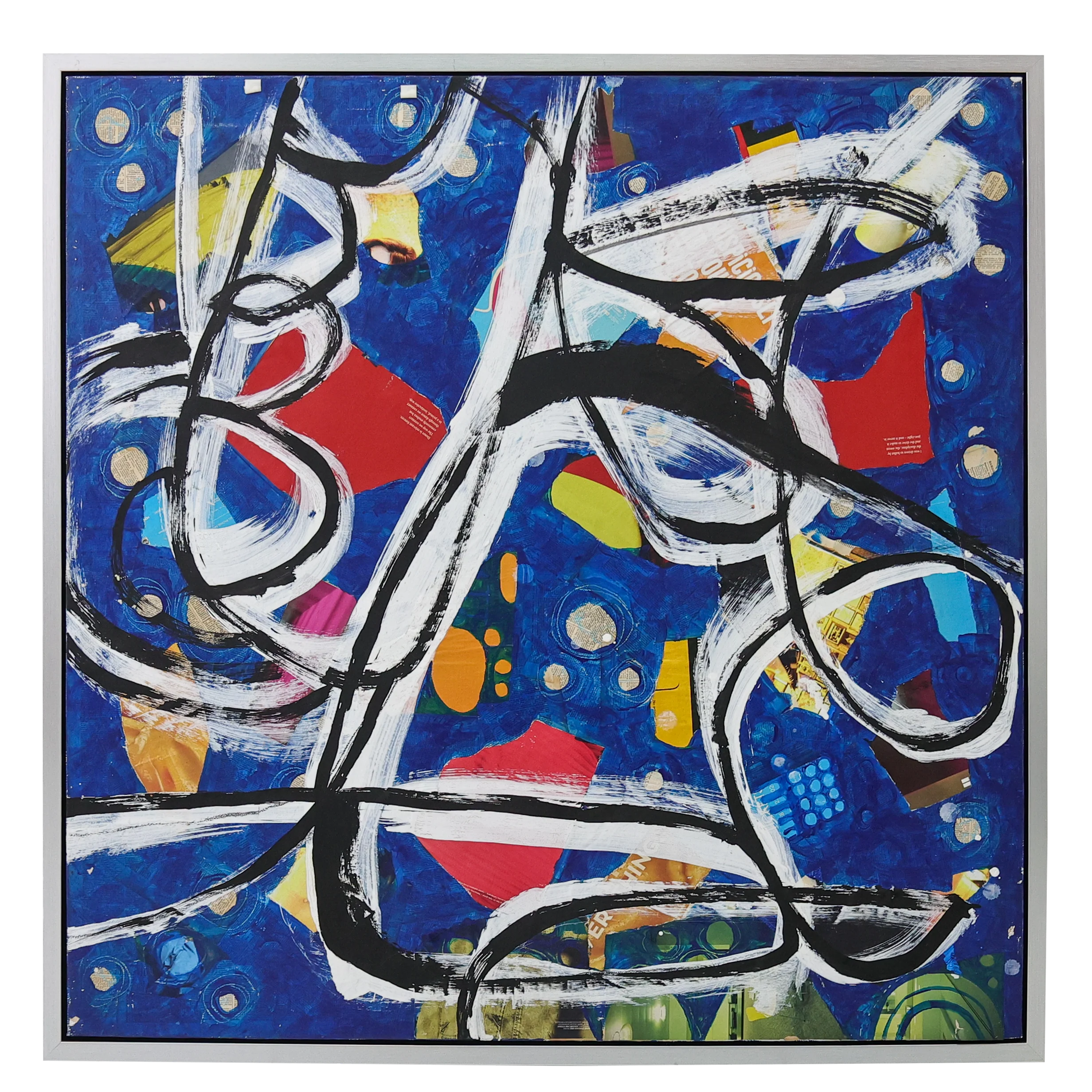
Original describes object status
A singular painting, sculpture or mixed-media work carries its own material history. Ask whether studies, related versions or later editions exist, but do not assume uniqueness from the word original alone.
Limited edition describes authorized plurality
An edition should state its size, number, medium, production process and issuing authority. The artist must approve the relationship between the source work and the edition.
Variation changes the comparison
Hand-finishing, color variants or artist proofs may make editioned works differ. The record should explain how much variation is intended and whether any work is treated as unique.
Price reflects more than object count
Artist history, scale, material, labor, demand, gallery position and condition may affect pricing. A singular object can cost less than a highly sought edition, and scarcity does not guarantee quality.
Collect the stronger fit
Choose the work whose image, material, documentation and role in your collection withstand close viewing. Status words should clarify the decision, not make it for you.
Sources and editorial notes
ArtLoft product, artist, edition and installation records, reviewed July 2026
ArtLoft Public Claim Registry, reviewed July 2026
J. Paul Getty Museum: Research on Museum Collection Provenance Open source
International Council of Museums: Code of Ethics Open source
Canadian Conservation Institute: Basic care of textiles Open source
Reviewed by ArtLoft Editorial. Materially updated 2026-07-12. Read the editorial policy.